

/Task%20Automation.png?width=90&name=Task%20Automation.png)


Cutting international admissions
processing time with AI document validation
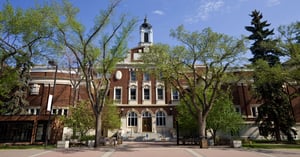
The University of Alberta was processing international applications manually. A complex, document-heavy process that stretched
decision timelines to 50 days and left students waiting up to four months for feedback. They partnered with GovLab, and AltaML
worked with their frontline teams to build and deploy an AI-powered screening tool that cut processing time by approximately
6 days, notified students of incomplete documents 5.6x faster, and exceeded its first-phase adoption target.
/Education.png?width=60&name=Education.png)
/document-correct.png?width=60&name=document-correct.png)
PROJECT
AI-powered screening and validation tool for international student admissions documents
/AI%20Workflow%20Integration.png?width=60&name=AI%20Workflow%20Integration.png)
WHAT WE DID
AI/ML development, intelligent document processing, and workflow integration
/stopwatch-fast.png?width=60&name=stopwatch-fast.png)
IMPACT
Faster decisions, earlier feedback, and 2/3 staff adoption, all within the first three months of deployment


"This initiative addressed a critical administrative bottleneck, streamlining a key step in the evaluation process and ensuring that applicants receive more timely responses.
By leveraging AI to support document screening, we have not only increased operational efficiency but also enhanced the application experience, allowing our admissions teams to focus their expertise on complex decision-making."

Chris BrunelleAssociate Vice-President & Chief Transformation Officer
University of Alberta
University of Alberta